Foods Toxic to Dogs and Cats: The ASPCA Poison Control List
What the ASPCA says to keep off the floor and out of reach, and why.
We may earn a commission when you buy through links on this page, at no extra cost to you. This does not change which products we cover. How we make money.
| Food | Why it is a problem (ASPCA) |
|---|---|
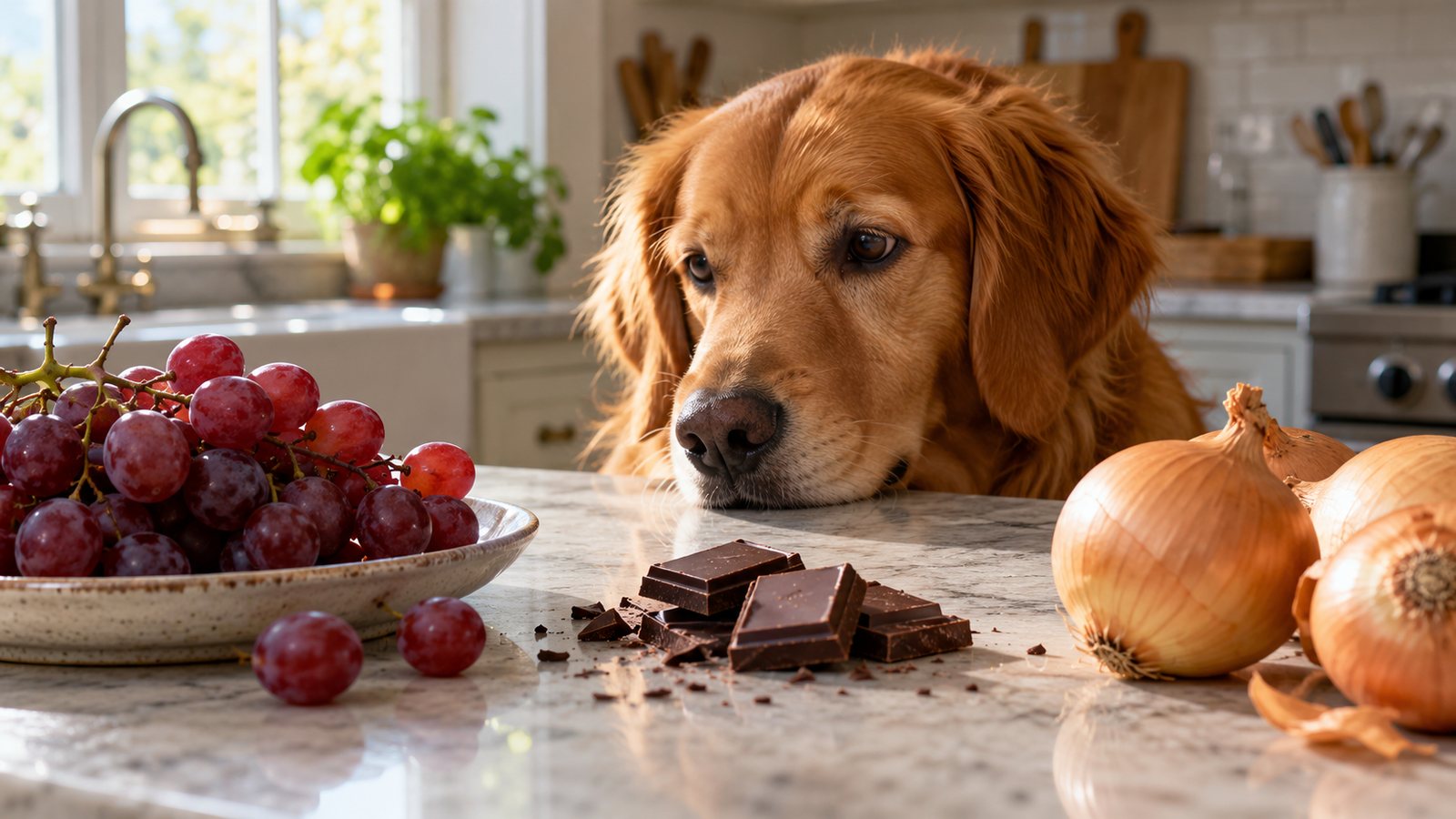
| Chocolate, coffee, caffeine | Methylxanthines can cause vomiting, abnormal heart rhythm, tremors, seizures and death. Darker chocolate is riskier. |
| Grapes and raisins | Can lead to kidney damage in dogs. |
| Onion, garlic, chives | Can damage red blood cells and cause anemia. Cats are more susceptible. |
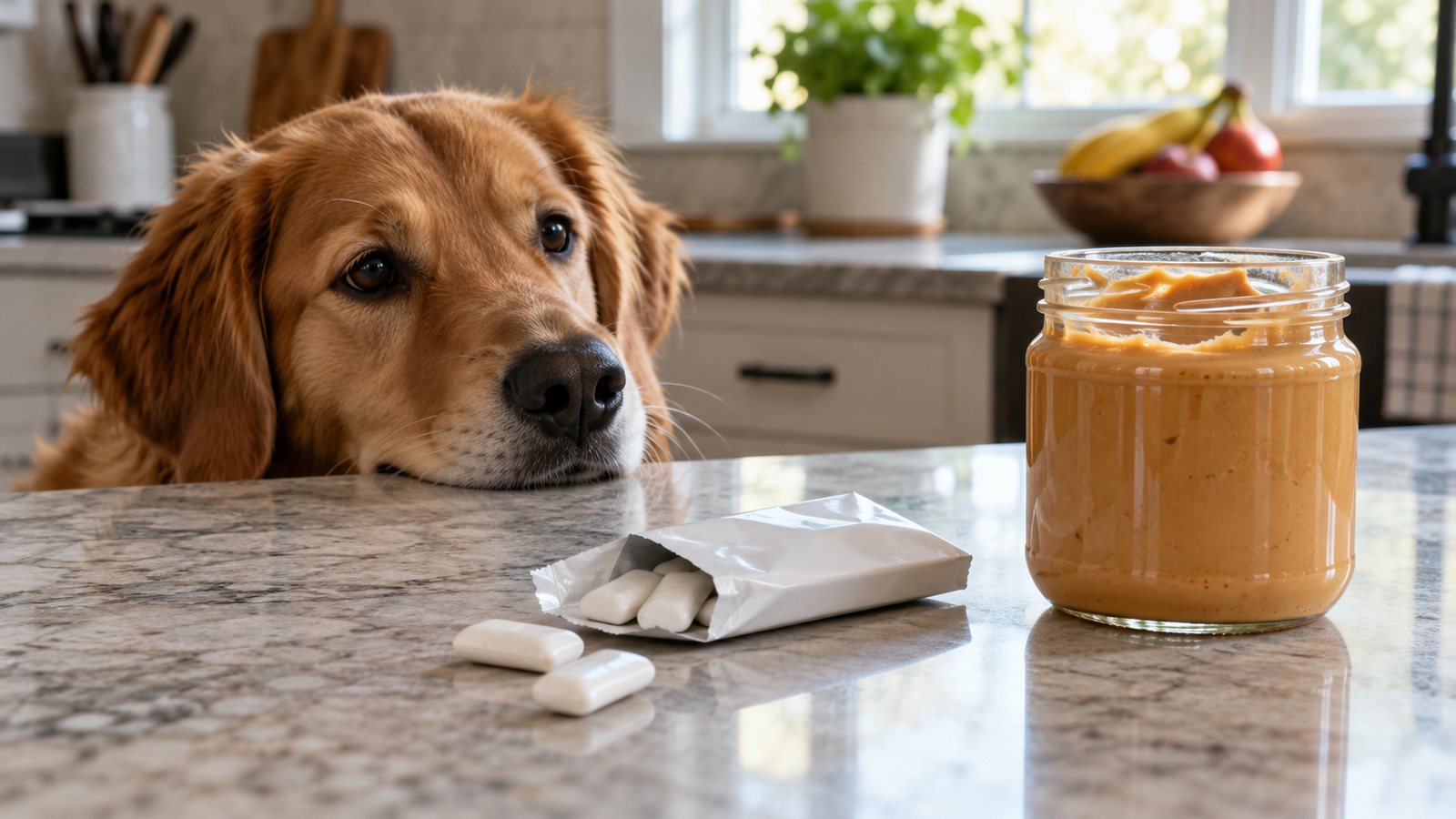
| Xylitol | Can cause low blood sugar and liver damage. See our xylitol guide. |
| Macadamia nuts | Weakness, vomiting, tremors and hyperthermia in dogs, usually within 12 hours. |
| Alcohol | Vomiting, incoordination, breathing trouble, coma and death. |
| Raw yeast dough | Can bloat and twist the stomach, and produces alcohol as it ferments. |
| Other nuts (almonds, pecans, walnuts) | High fat can cause vomiting, diarrhea and possibly pancreatitis. |
| Milk and dairy | Pets lack much lactase, so dairy can cause diarrhea. |
| Salty foods | Thirst, vomiting, tremors, seizures and in severe cases death. |
| Raw meat, eggs, bones | Salmonella and E. coli risk; bones can injure or block the gut. |
| Avocado | Mainly a danger to birds, rabbits, horses and ruminants. |
Cats and plants
For cats, lilies are a major hazard. Read lilies and cats.
Check what is in your pet’s own bowl with our pet food label guide.
Frequently asked questions
What do I do if my pet ate something toxic?
Note how much was eaten and call your veterinarian or ASPCA Animal Poison Control at (888) 426-4435.
Which chocolate is most dangerous?
The ASPCA says baking chocolate and cocoa powder have the highest methylxanthine levels, and white chocolate the lowest.