How to Store Pet Food Safely: FDA Handling Tips
Pet food can carry Salmonella and Listeria. A few habits lower the risk for you and your pet.
We may earn a commission when you buy through links on this page, at no extra cost to you. This does not change which products we cover. How we make money.
Buying
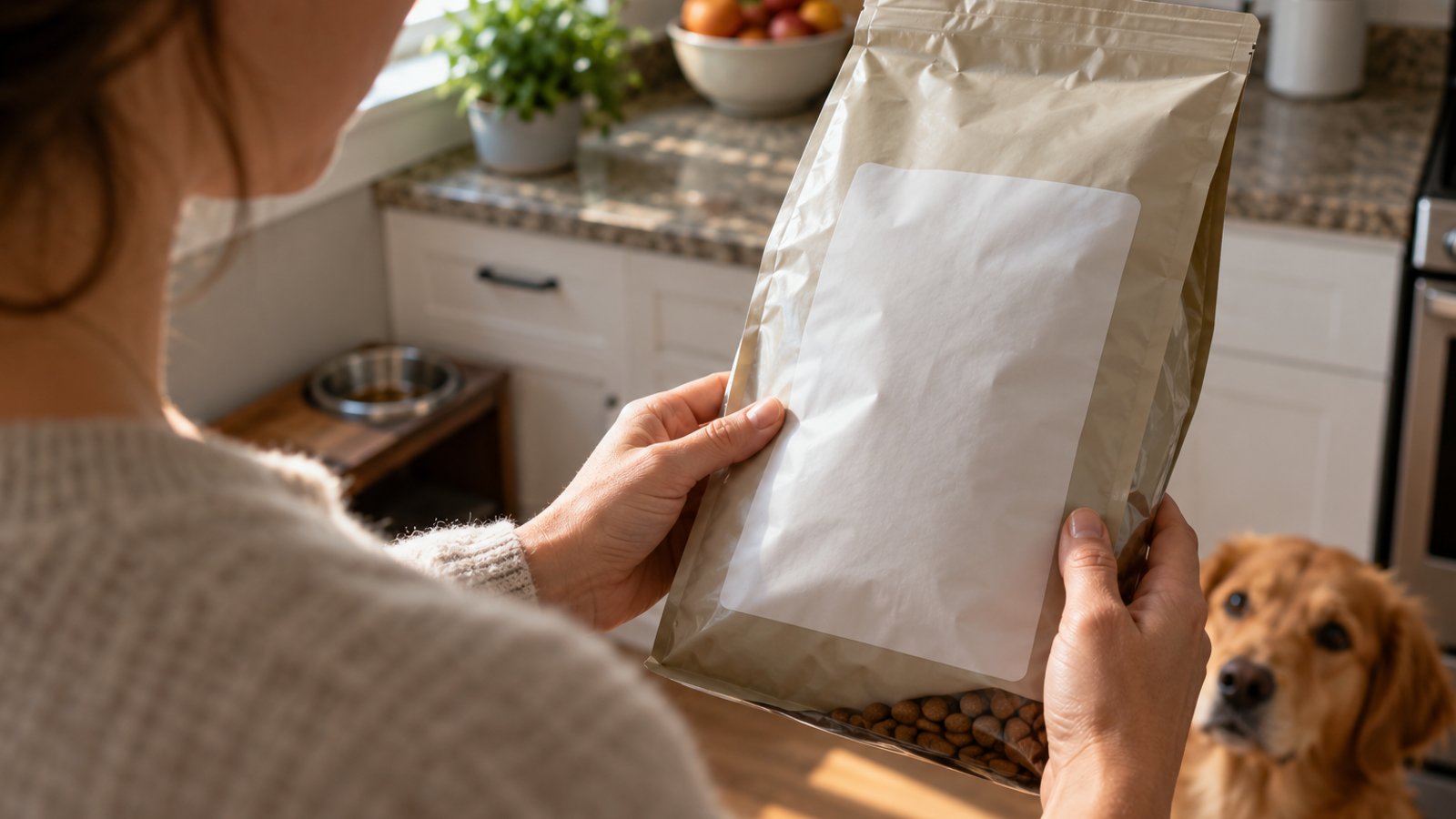
Skip cans, pouches or bags with dents, tears or discoloration.
Serving
- Wash your hands for at least 20 seconds with soap and hot water before and after handling pet food.
- Wash bowls and scoops with soap and hot water after each use.
- Do not use the bowl as a scoop. Keep a clean scoop just for pet food.
- Throw out spoiled food in a tied plastic bag in a covered trash can.
Storing
| Food | FDA advice |
|---|---|
| Opened cans and pouches | Refrigerate promptly, covered, at 40°F or below, or throw out |
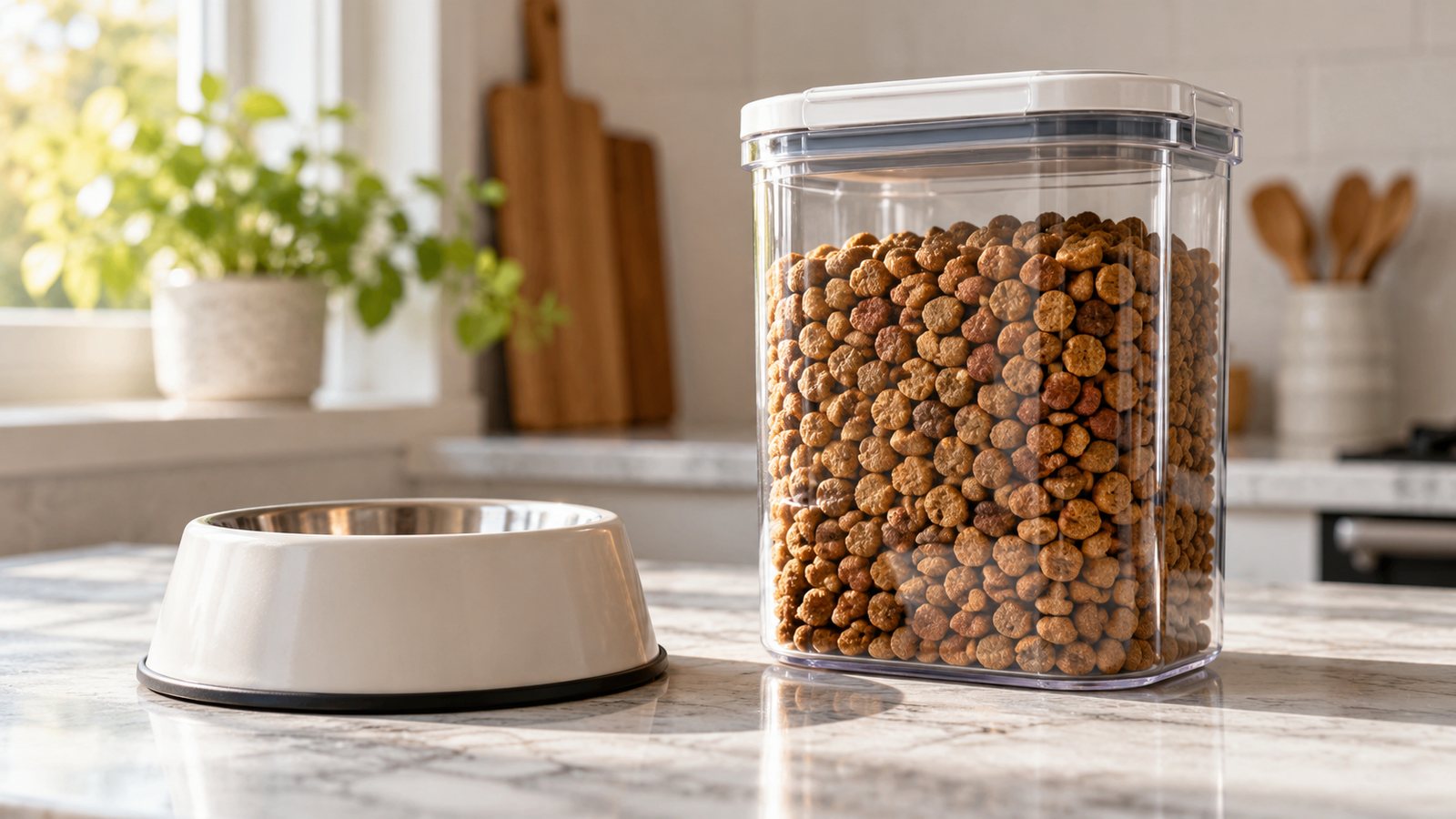
| Dry food | Cool, dry place under 80°F, in the original bag, top folded tight |
| All pet food | Secure spot so your pet cannot eat the whole supply |
The FDA says excess heat or moisture breaks down nutrients.
Why handling matters
The FDA says pet food and treats, like other foods, can carry harmful bacteria that cause foodborne illness, including salmonellosis and listeriosis. The tips above lower the risk to the people who handle the food, not only to the pet.
What the FDA study found in raw food
From October 2010 to July 2012, the FDA’s Center for Veterinary Medicine screened more than 1,000 pet food samples for bacteria. In the second year it added 196 samples of commercially available raw dog and cat food.
| Sample type | Tested | Salmonella positive | L. monocytogenes positive |
|---|---|---|---|
| Raw pet food | 196 | 15 | 32 |
| Jerky-type treats | 190 | 0 | 0 |
| Semi-moist dog food | 120 | 0 | 0 |
| Semi-moist cat food | 120 | 0 | 0 |
| Dry dog food | 120 | 0 | 0 |
| Dry cat food | 120 | 1 | 0 |
The FDA notes that canned food was not tested. Based on these results, the FDA says raw pet food poses significant risks to pets and owners. It also says the single best way to prevent these infections is not to feed a raw diet.
If you feed raw anyway
The FDA lists these extra precautions:
- Wash your hands with soap and water for at least 20 seconds after handling raw food and after touching anything it touched, such as counters, fridge and microwave interiors, utensils, bowls and cutting boards.
- Clean surfaces with hot soapy water first, then disinfect them. The FDA gives 1 tablespoon of bleach per quart of water, or ¼ cup per gallon, as an effective disinfectant. A dishwasher also works for items that can go in it.
- Keep raw meat frozen until you need it, and thaw it in the fridge or microwave, not on the counter or in the sink.
- Do not rinse raw meat, poultry or fish, because the juices can splash.
- Keep raw food apart from other food.
- Cover and refrigerate leftovers right away, or throw them out.
- If you cook homemade food from raw ingredients, cook it to a safe internal temperature checked with a food thermometer.
- Do not let your pet lick your face, especially right after a raw meal, and wash your hands after touching your pet.
Recalls
The FDA says both cooked and raw pet foods get recalled, sometimes for Salmonella or Listeria. Check the FDA’s Recalls & Withdrawals page when you buy a new bag or batch. Keeping the original bag, as the FDA advises, also helps you match the lot details to a recall notice.
Frequently asked questions
Should I pour kibble into a plastic bin?
The FDA advises storing dry food in its original bag with the top folded down tightly.
What does the FDA say about raw pet food?
The FDA says raw pet food poses significant health risks to pets and owners because it is more likely to contain Salmonella and Listeria.